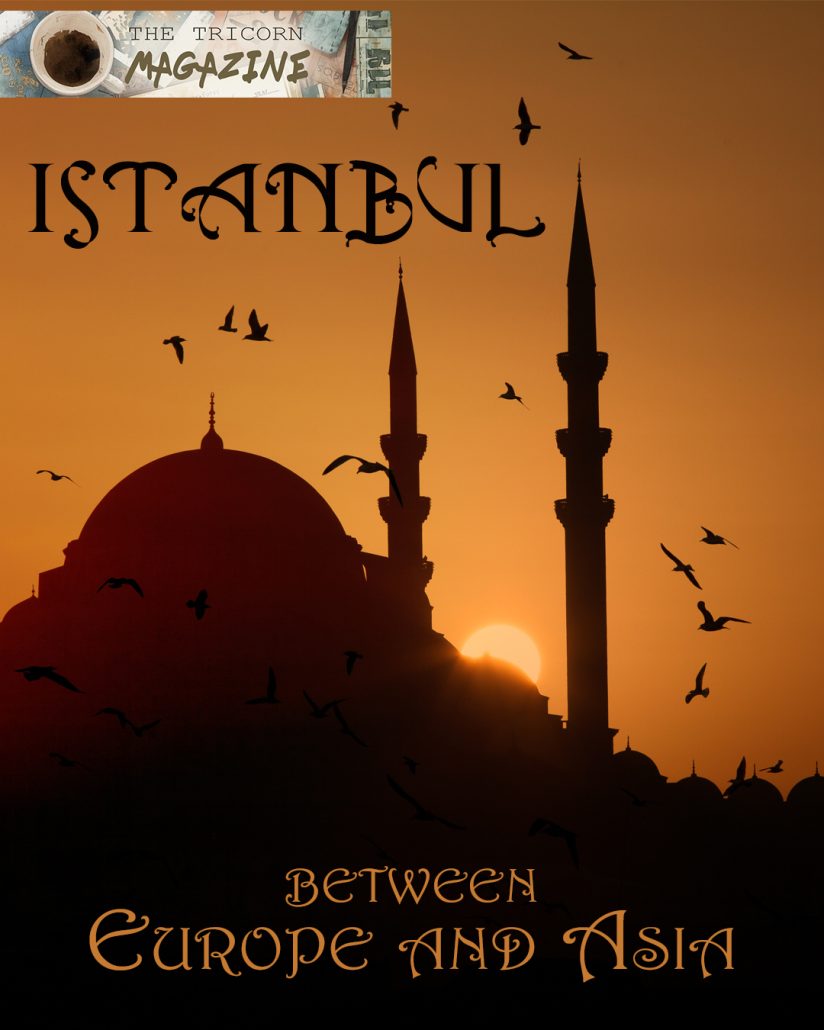
Istanbul is not just a city — it’s a feeling, a crossroads, a place where stories have been unfolding for thousands of years. Standing between Europe and Asia, it has watched empires rise and fall, cultures blend, and history reshape itself again and again. To walk through Istanbul is to walk through time.
It all began long before the name Istanbul existed. Around 657 BC, Greek settlers founded a city here and called it Byzantium. Its location was everything — perched along the Bosphorus Strait, it quickly became a powerful trading hub connecting continents. Centuries later, in 330 AD, the Roman Emperor Constantine the Great recognised its importance and transformed it into a new capital for the Roman Empire. He renamed it Constantinople, and it soon grew into one of the most important cities in the world.
For over a thousand years, Constantinople stood as the heart of the Byzantine Empire. Its skyline was crowned by magnificent churches, the most famous being the breathtaking Hagia Sophia. Built in the 6th century, it was once the largest cathedral in the world — a symbol of power, faith, and architectural genius.
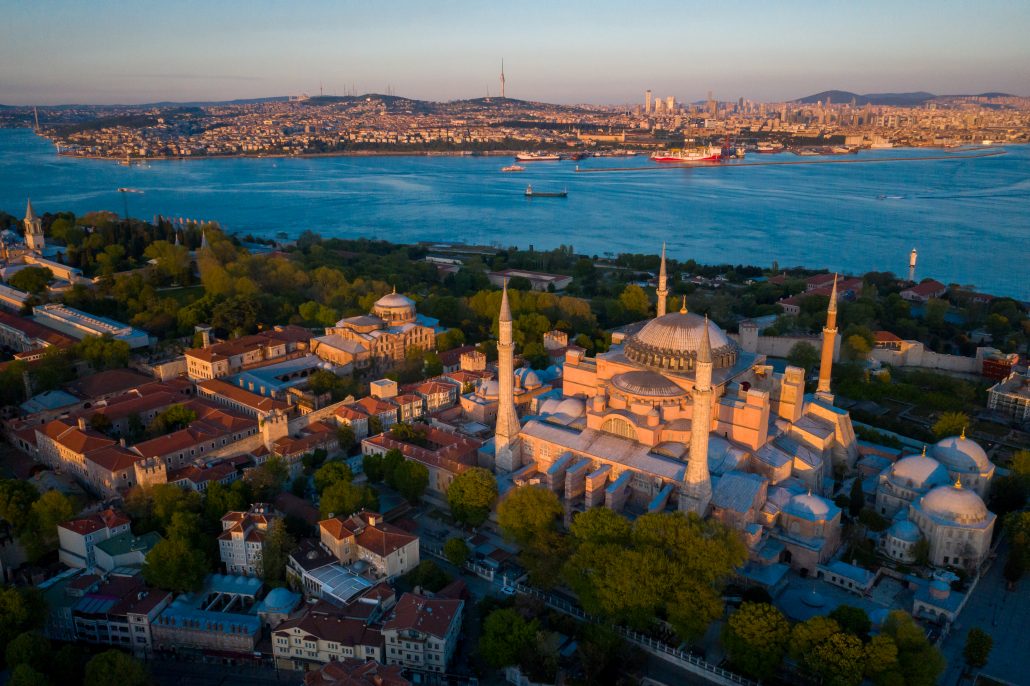
Then came one of history’s defining moments. In 1453, the city was conquered by Mehmed II, marking the rise of Ottoman power in Constantinople and the end of the Byzantine Empire. The city was transformed once more. Grand mosques rose across its skyline, bustling bazaars filled its streets, and it became the vibrant capital of a vast empire stretching across three continents.
The Ottomans left behind a legacy that still shapes Istanbul today. The elegant domes and minarets of the Blue Mosque, the lively atmosphere of the Grand Bazaar, and the rhythm of daily life all echo this rich past. Yet Istanbul never feels frozen in time. It’s alive, constantly evolving, where ancient history and modern energy exist side by side.
What makes Istanbul truly magical is this blend. One moment, you’re wandering through centuries-old streets, surrounded by the traces of Byzantine and Ottoman civilisation. The next, you’re sipping coffee overlooking the Bosphorus as ferries glide between continents. The call to prayer drifts through the air, seagulls circle above, and the city seems to hum with a quiet, timeless energy.
But Istanbul is much more than its monuments and imperial past. It is a city of contrasts, where traditional tea houses stand alongside contemporary cafés, where historic neighbourhoods coexist with modern avenues, and where the cultures of Europe and Asia meet in everyday life. Its food, architecture, music, and traditions reflect centuries of exchange between different peoples and civilisations.
The Bosphorus remains at the heart of this extraordinary identity. More than a waterway separating two continents, it has always been a gateway between worlds. Along its shores, palaces, wooden mansions, historic fortresses, and lively neighbourhoods tell the story of a city shaped by its unique geography.
Perhaps this is what makes Istanbul so fascinating: it never belongs entirely to one world. It is European and Asian, Eastern and Western, ancient and modern. Its identity has been shaped by countless generations, yet it continues to reinvent itself.
Recommended Reading: Discover the History of Istanbul
For anyone fascinated by Istanbul’s extraordinary past, a good book can open another window into the city’s fascinating history. Istanbul: City of Majesty at the Crossroads of the World is a wonderful addition to your reading list if you want to explore the city beyond its famous landmarks and discover the historical forces that shaped it.
Interested in reading more? You can find the book on Amazon:
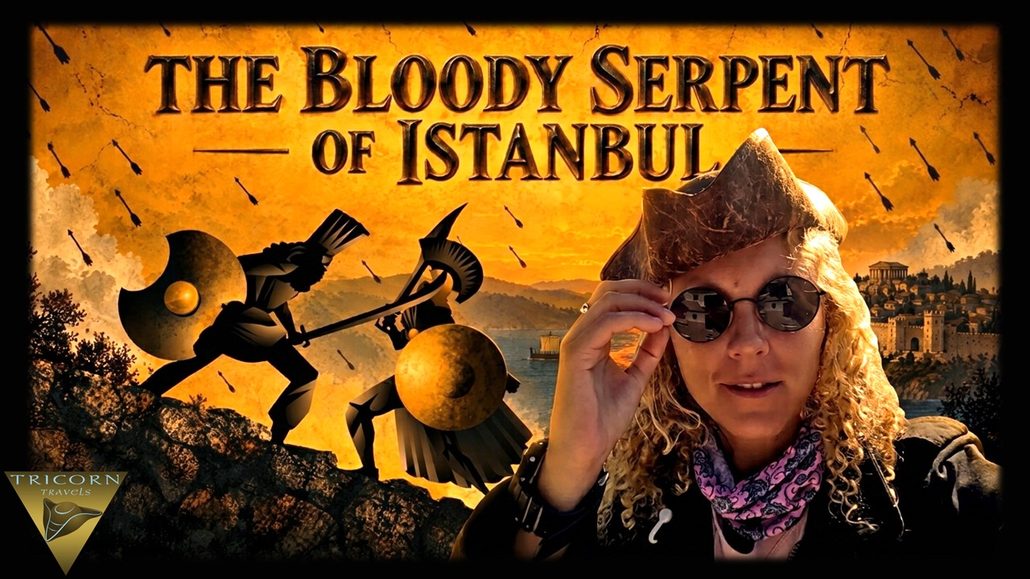
Watch Our Documentary: The Bloody Serpent of Istanbul
Discover Istanbul’s hidden history with Tricorn Travels. Watch our documentary, The Bloody Serpent of Istanbul, online now for free. Uncover fascinating stories, historical mysteries and secrets behind some of the city’s most remarkable landmarks.
Watch the documentary for free:
Because Istanbul is not simply a place where history happened. It is a place where history is still alive — in its streets, its architecture, its people, and the waters of the Bosphorus.
And perhaps that is its greatest magic: in Istanbul, the past is never really past.