
Let’s be honest—dumplings are one of those foods that instantly make life better.
Bad day? Dumplings.
Celebration? Dumplings.
Hungry at 2am? Definitely dumplings.
But behind these little pockets of joy lies a story that goes back over 1,800 years—and it starts in ancient China.
A Doctor, A Winter, and a Brilliant Idea
The legend takes us to the Eastern Han Dynasty, where a physician named Zhang Zhongjing noticed something troubling.
Winter was harsh. Villagers were poor. Many suffered from frostbite—especially on their ears.
So what did he do?
He didn’t just prescribe herbs. He got creative.
Zhang mixed mutton with warming herbs, wrapped the filling in dough, and shaped them like little ears. Then he boiled them and distributed them to the people.
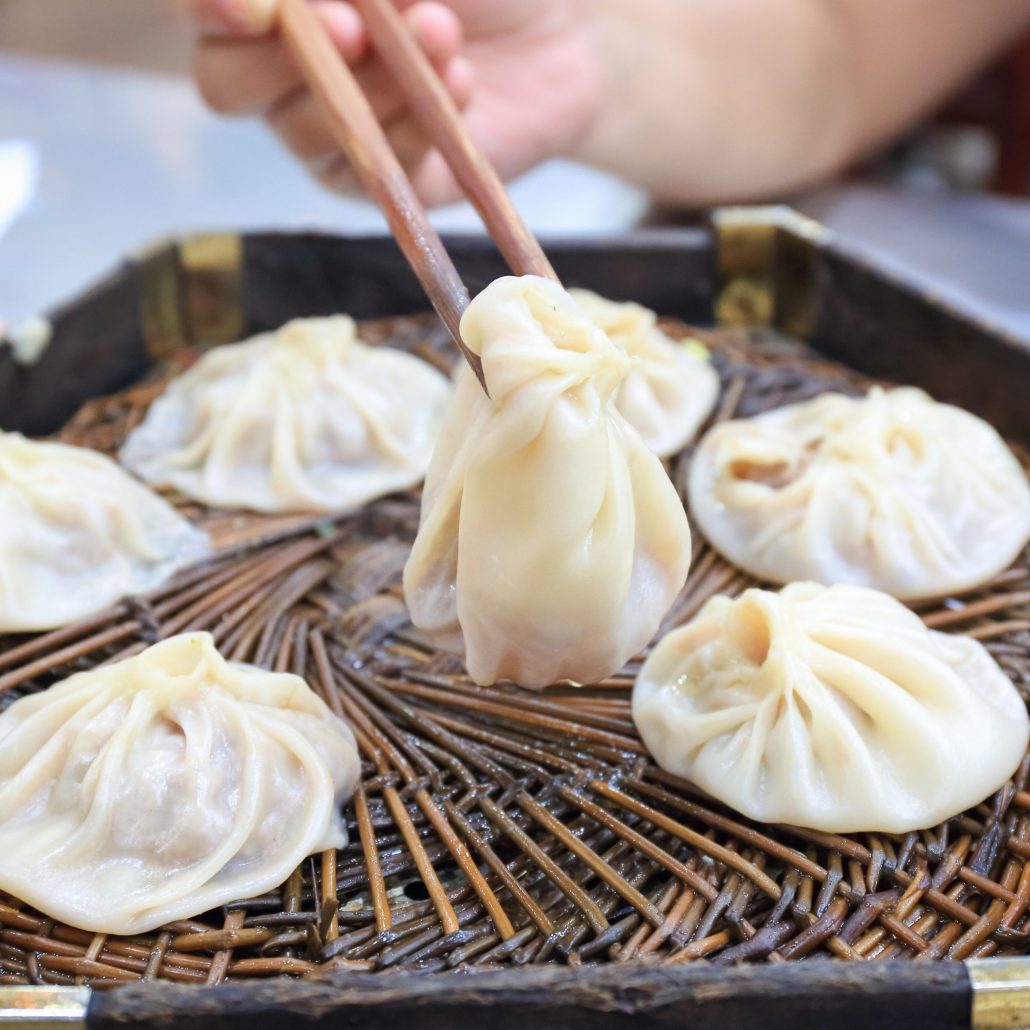
Warm, nourishing, and oddly shaped—these were the first jiaozi, or Chinese dumplings.
And just like that, comfort food was born… with a medical purpose.
From Medicine to Must-Have Dish
Thankfully, dumplings didn’t stay in the “health food” category for long.
People loved them. Not just because they helped—but because they tasted amazing. Over time, dumplings evolved from a winter remedy into a staple of Chinese cuisine.
And then came the symbolism.
Dumplings began to resemble ancient Chinese gold ingots—the kind used as currency. Suddenly, they weren’t just food. They were a sign of wealth, prosperity, and good fortune.
Which is why, to this day, dumplings are a must during Chinese New Year. Eating them is like saying, “Yes please, I’ll take some luck and success for the year ahead.”
Not a bad deal for something you can eat in one bite.
Dumplings Go Global
While dumplings are deeply rooted in China, the idea of stuffing dough is surprisingly universal.
Early versions of stuffed dough even appear in Roman texts like Apicius. But it was along the Silk Road that dumplings really traveled, evolving with every culture they touched.
Nomadic Turkic peoples are believed to have carried the concept across Central Asia, giving rise to dishes like manti. Later, the Ottoman Empire added its own twist.
Fast forward to today, and you’ll find dumplings everywhere—pierogi in Poland, ravioli in Italy, momos in Nepal.
But let’s be clear: the soul of the dumpling still belongs to China.
The Art of the Fold
What makes Chinese dumplings so special isn’t just the taste—it’s the craft.
Folding dumplings is practically an art form. There are dozens of techniques, from simple half-moons to intricate pleats that look almost too pretty to eat (almost).
Families gather to make them together, especially during festivals. It’s less about perfection and more about the moment—hands busy, laughter flowing, flour everywhere.
And somehow, the more chaotic it gets, the better they taste.
Why You Need to Try Them in China
Sure, you can eat dumplings anywhere in the world.
But eating them in China?
That’s different.
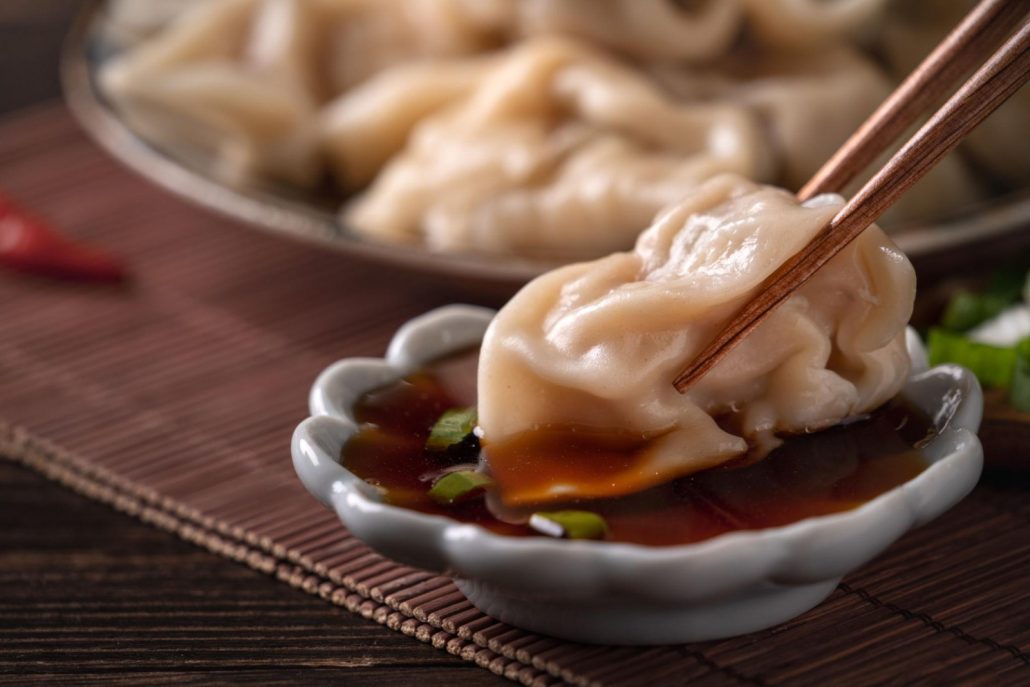
That’s sitting at a small table in a busy street in Xi’an, steam rising from bamboo baskets. That’s tasting dumplings filled with flavors you didn’t know existed. That’s watching someone fold them with effortless skill while you attempt… and fail… but laugh anyway.
This is exactly what our HIGHLIGHTS OF CHINA – 8 Days trip offers.
And yes—there will be dumplings.
A Journey Full of Flavour (and Everything Else)
This summer, we’re running several departures of this unforgettable journey across China.
In just eight days, you’ll go from the neon glow of Shanghai to the historic heart of Beijing, exploring iconic landmarks like the Great Wall, the Forbidden City, and the legendary Terracotta Army.
But it’s not just about the big sights.
You’ll wander through ancient towns, stroll traditional gardens, and snack your way through the vibrant Muslim Quarter in Xi’an—one of the best places in the country to dive into local street food.
Including, of course… dumplings.
More Than Just a Bite
What makes dumplings special isn’t just their history or taste.
It’s what they represent.
Care. Creativity. Community.
From a doctor trying to help his people, to families gathering around a table, to travellers discovering them for the first time—dumplings have always been about connection.
So yes, come to China for the Great Wall, the history, the culture.
But stay for the dumplings.
Because sometimes, the smallest things carry the biggest stories.
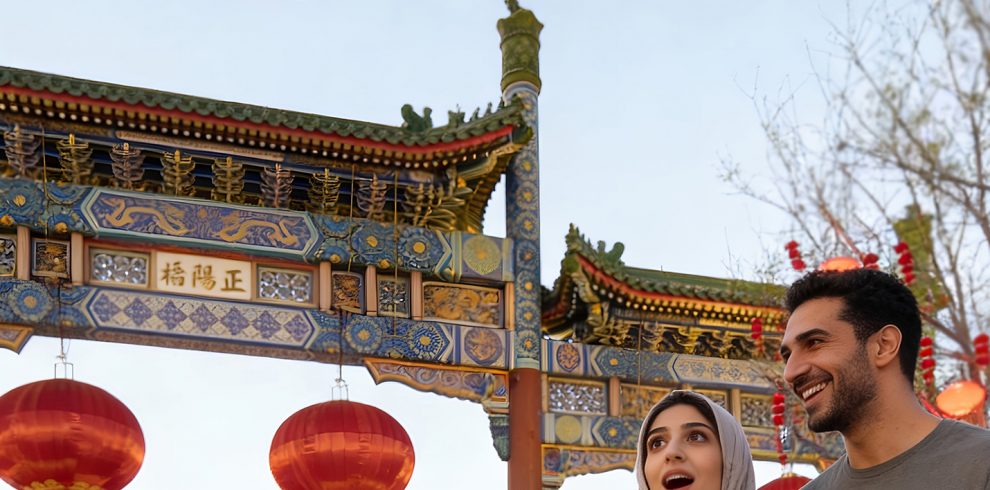
Step into a land where emperors once ruled and modern skylines glitter, and let China’s timeless beauty sweep you into an adventure of wonder, culture, and unforgettable moments.